
150 Years of Recreation & Leadership
Perspectives
By Kathleen Scholl, PhD, and Rodney Dieser, PhD, LMHC
Scholl and Dieser are professors in recreation, tourism and nonprofit leadership in the Department of Learning, Leadership and Community.
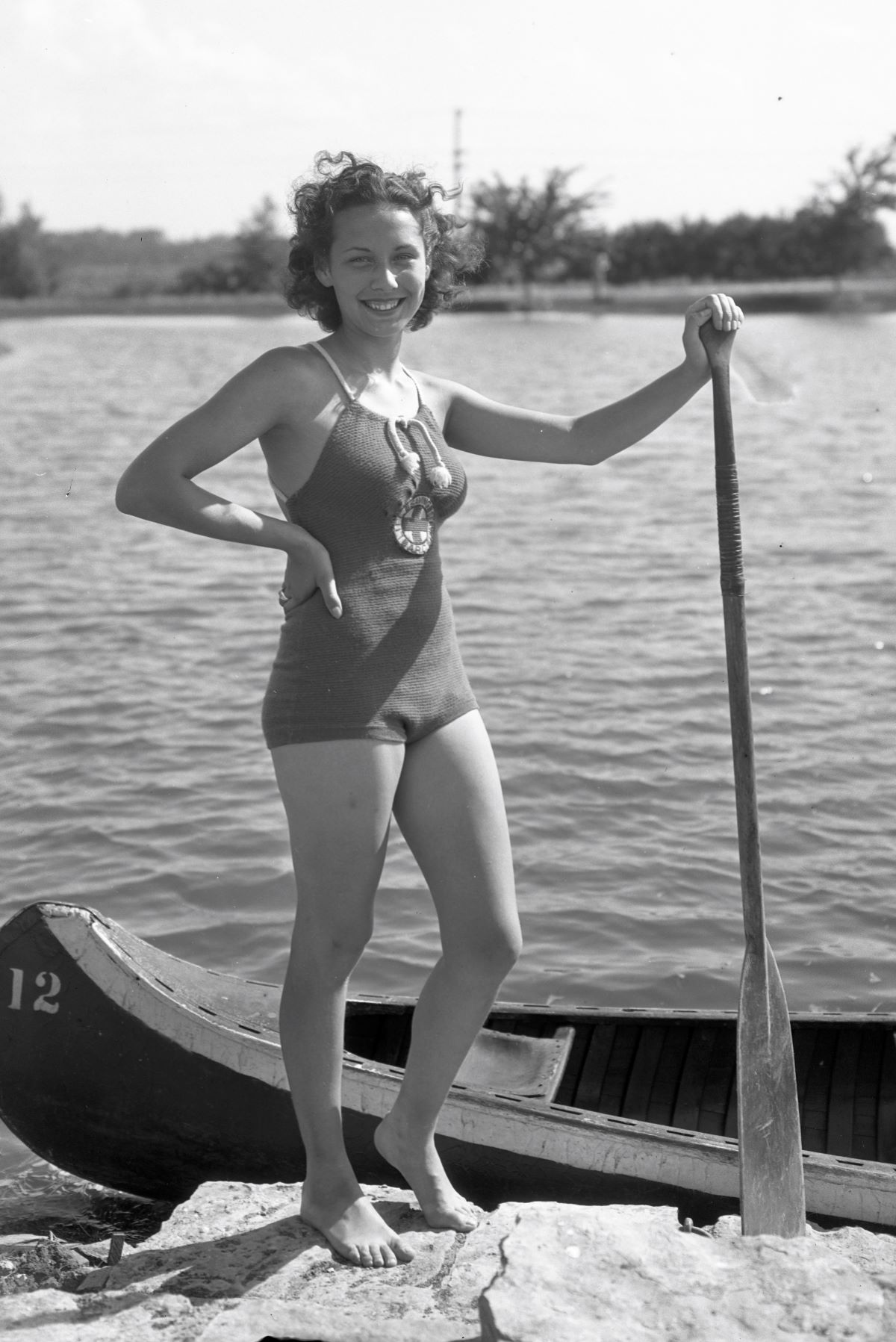 Long before it became an academic major, recreation was central to education in Cedar Falls.
At the site that would become the University of Northern Iowa, children at the Cedar Falls Civil War Soldiers’ Orphans’ Home learned through movement, nature and play as well as through books. They explored creek beds, gathered fruit and formed connections outdoors, showing that learning happens everywhere—and recreation is central to human development.
In 1926, the “Annals of Iowa” published George Gallarno's recollections of childhood at the Soldiers' Orphans' Home. After his father died while serving in the Civil War, Gallarno and his siblings moved there. Education was central to daily life, but so were recreation and nature, including explorations of Dry Run Creek.
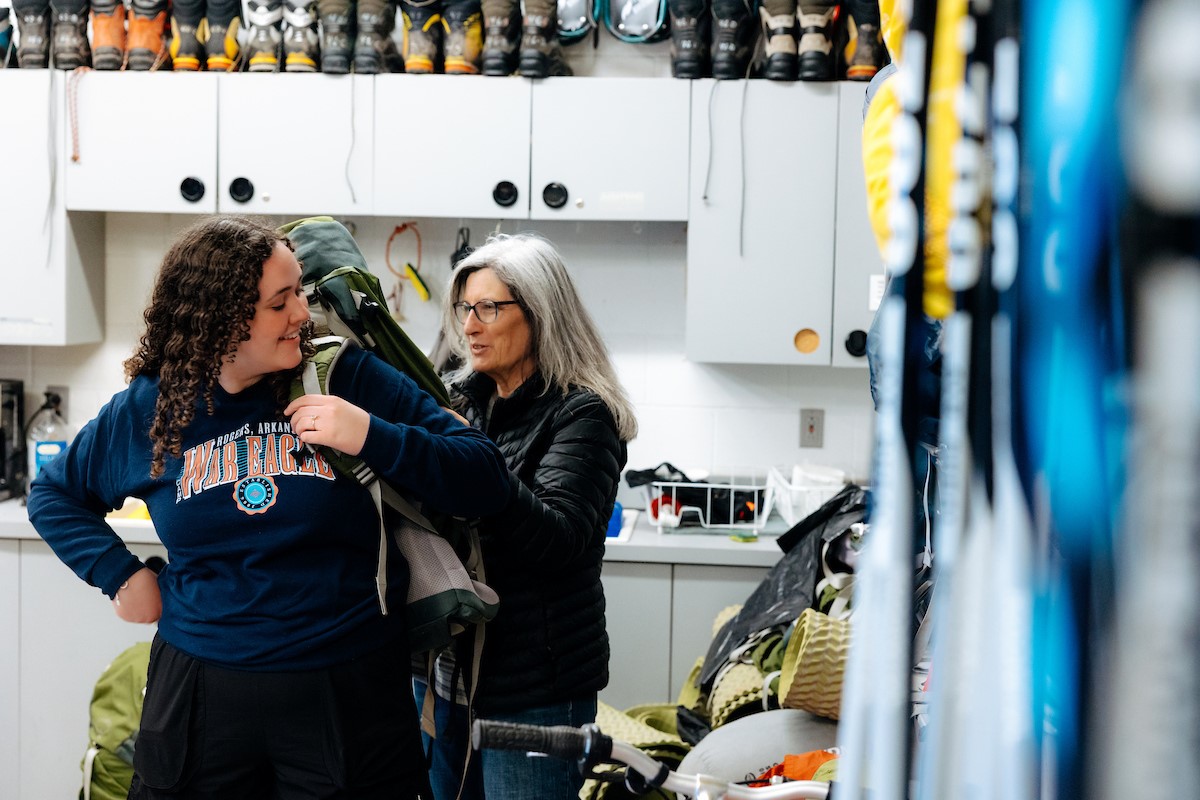
Today, the Recreation, Tourism and Nonprofit Leadership (RTNL) program carries forward that legacy, preparing students for careers in youth recreation, community education, parks and recreation, nonprofit organizations, and outdoor education and camps.
Establishing an academic foundation
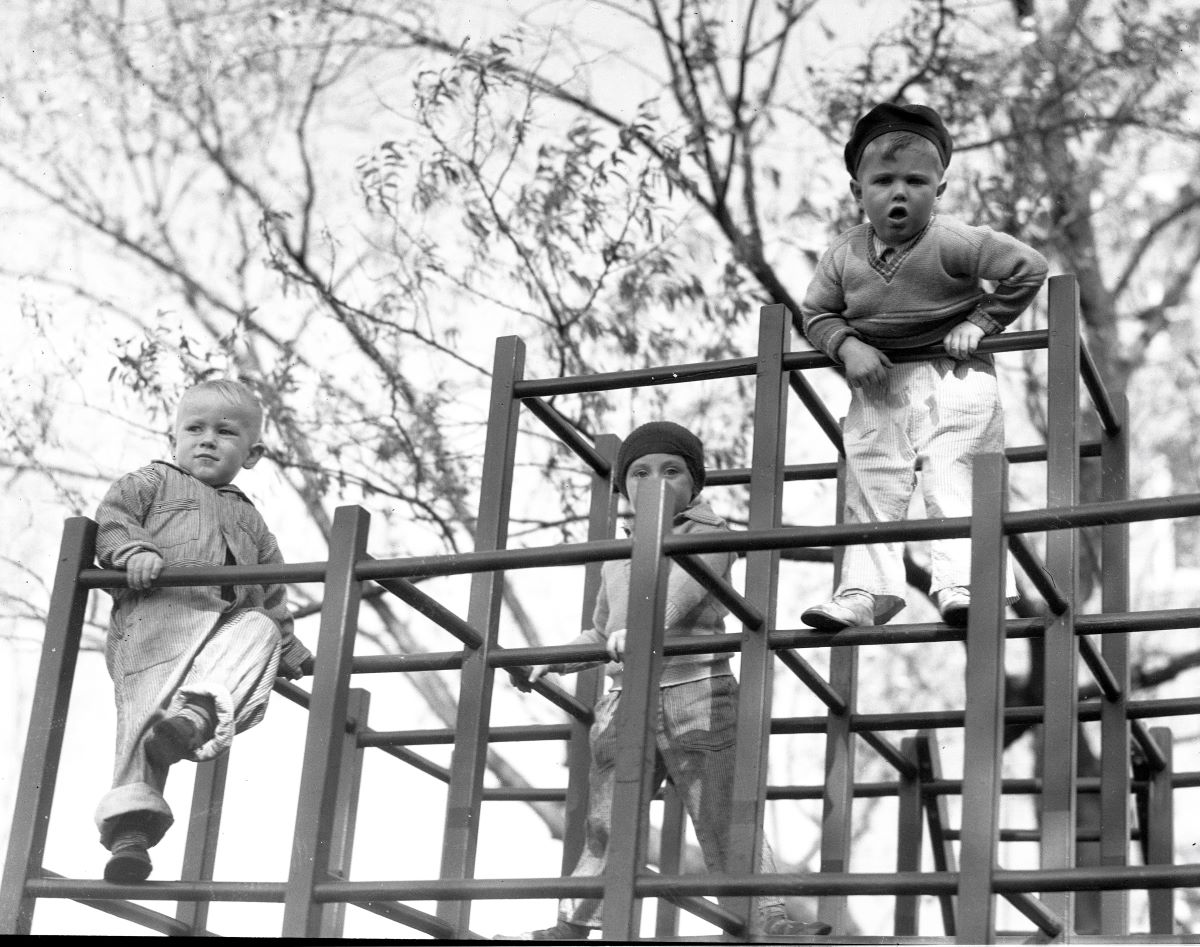
 A major influence on the academic and professional practice of recreation and nonprofit leadership was the social settlement movement. By the early 1900s, more than 400 settlement houses operated across the United States, including Jane Addams' Hull-House in Chicago. Located in immigrant and low-income neighborhoods, they combined education, social services and recreation for youth and adults. Addams and playground leader Joseph Lee helped establish the intellectual foundation for the modern parks and recreation movement through research, advocacy and innovative recreation programs.
Amid emerging national ideas about recreation and play, UNI began offering coursework that would lead to degrees in recreation and nonprofit services. Beginning in 1912 with Playground Methods, the university established an academic foundation. Coursework expanded through the years with a focus on theory, equipment, supervision, play function and program design and recreation’s connections with youth organizations, education and community building. After World War II, courses like Community Recreation and the School (1952) reflected the growing need for recreation opportunities.
 Over the following decades, recreation became a recognized academic field. In 1976, UNI established the Bachelor of Arts in recreation, transforming the program from a physical education component into a leadership-focused degree.
As the profession matured, UNI strengthened its commitment to professional standards. In 1986, the program earned accreditation from the Council on Accreditation of Parks, Recreation, Tourism and Related Professions (COAPRT).
The inclusion of nonprofit leadership prepared students for careers in youth-serving agencies and communitybased organizations in a growing nonprofit sector. The leisure services MA followed in 1992. As the program evolved -– including a transition to leisure, youth and human services -– the curriculum broadened to include tourism, youth development and community leadership.
By 2020, the program’s name — Recreation, Tourism and Nonprofit Leadership — reflected its expanded interdisciplinary scope, which included environmental and community engagement.
Today, RTNL reflects more than a century of growth. From playground leadership to nonprofit management, the program prepares students to lead, serve and strengthen communities through meaningful experiences with lasting impact.