
Connections Through Time
A 150th Spotlight
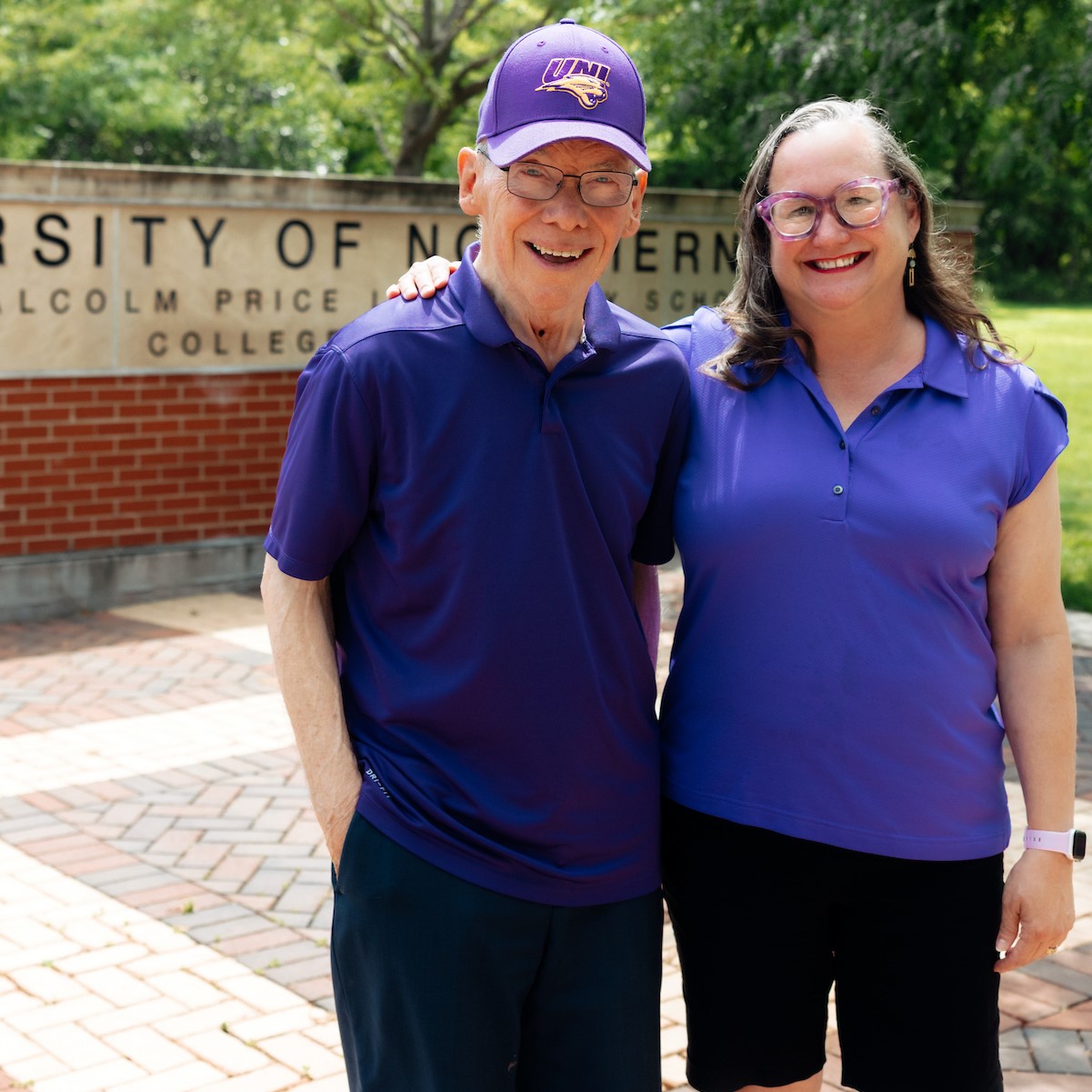
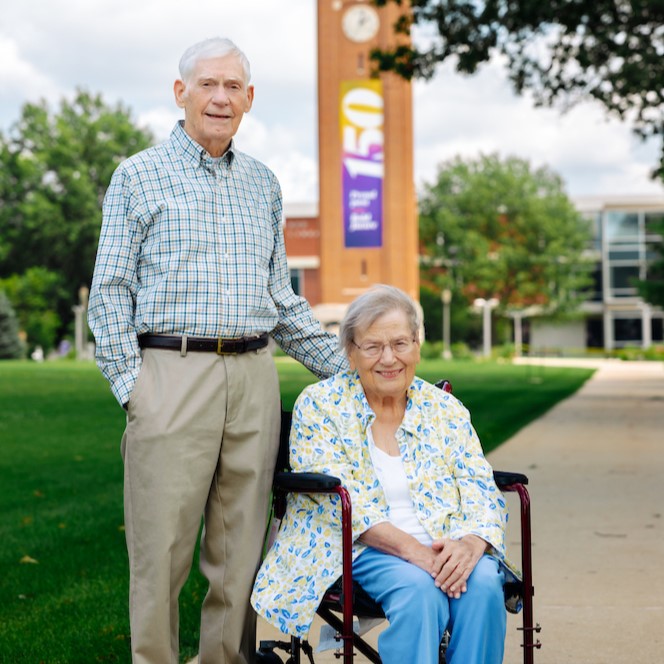
By its very nature, the College of Education's roots are enmeshed in the history of University of Northern Iowa. As the Sesquicentennial Celebration comes to a close, a special section of the Fall 2026 Premier magazine features three families -- of the many -- with enduring connections to UNI. Additional highlights of history serve as a small representation of the quality people and programs who paved the way to today's college and university.
Featured Stories
1876 — Iowa State Normal School opens to prepare teachers
1892 — Training School establishes hands-on clinical teaching.
1904 – Bachelor of Arts in Education approved
1909 — Iowa State Teachers College begins
1912 – Training School building opens; renamed Campus Laboratory School, 1944
1953 – Master of Arts in Education approved
1953 – Malcolm Price Laboratory School opens
1961 — State College of Iowa
1967 — University of Northern Iowa
1968 — College of Education begins operations
1973 — Education Center completed; dedication in 1976.
1982 — Doctor of Education degree added
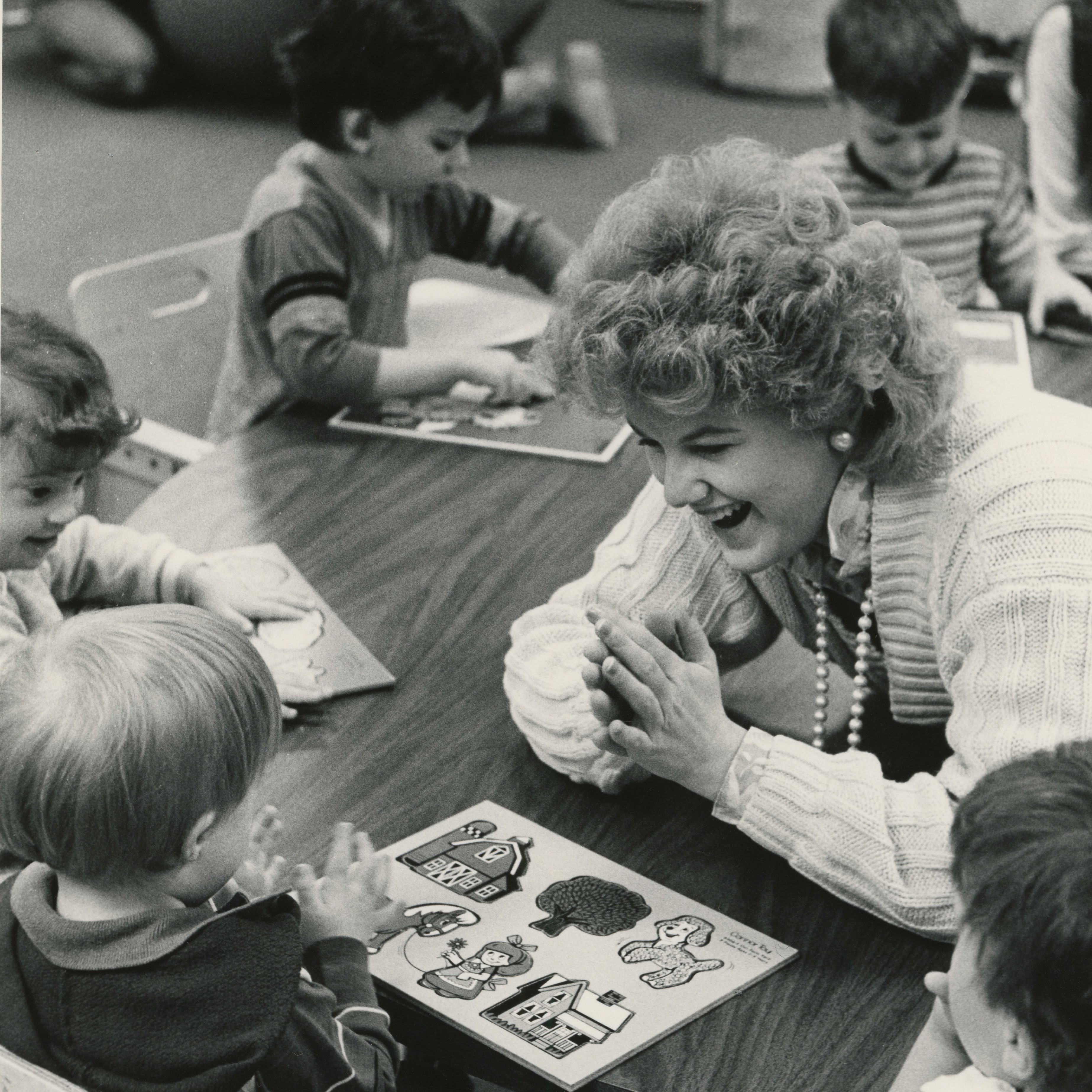
1988 – Regents’ Center for Early Developmental Education established
1990 — Building renamed Schindler Education Center (SEC)
1995 — National Program for Playground Safety added
1999 — Institute for Educational Leadership launches
2010 — Jacobson Center for Comprehensive Literacy founded
2012 — Malcolm Price Laboratory School closes
2013 — Regents approve Center for Educational Transformation
2017 — Major renovation completed for SEC.
2023 — CET closes; health-related programs move to CSBS
2025 — Academic units realigned into:
- Educational Foundations and Professional Experiences
- Elementary and Middle Level Education
- Learning, Leadership and Community
- Literacy, Early Childhood and Special Education
2026 — NPPS closes, EdVantageUNI announced
Leading the Way
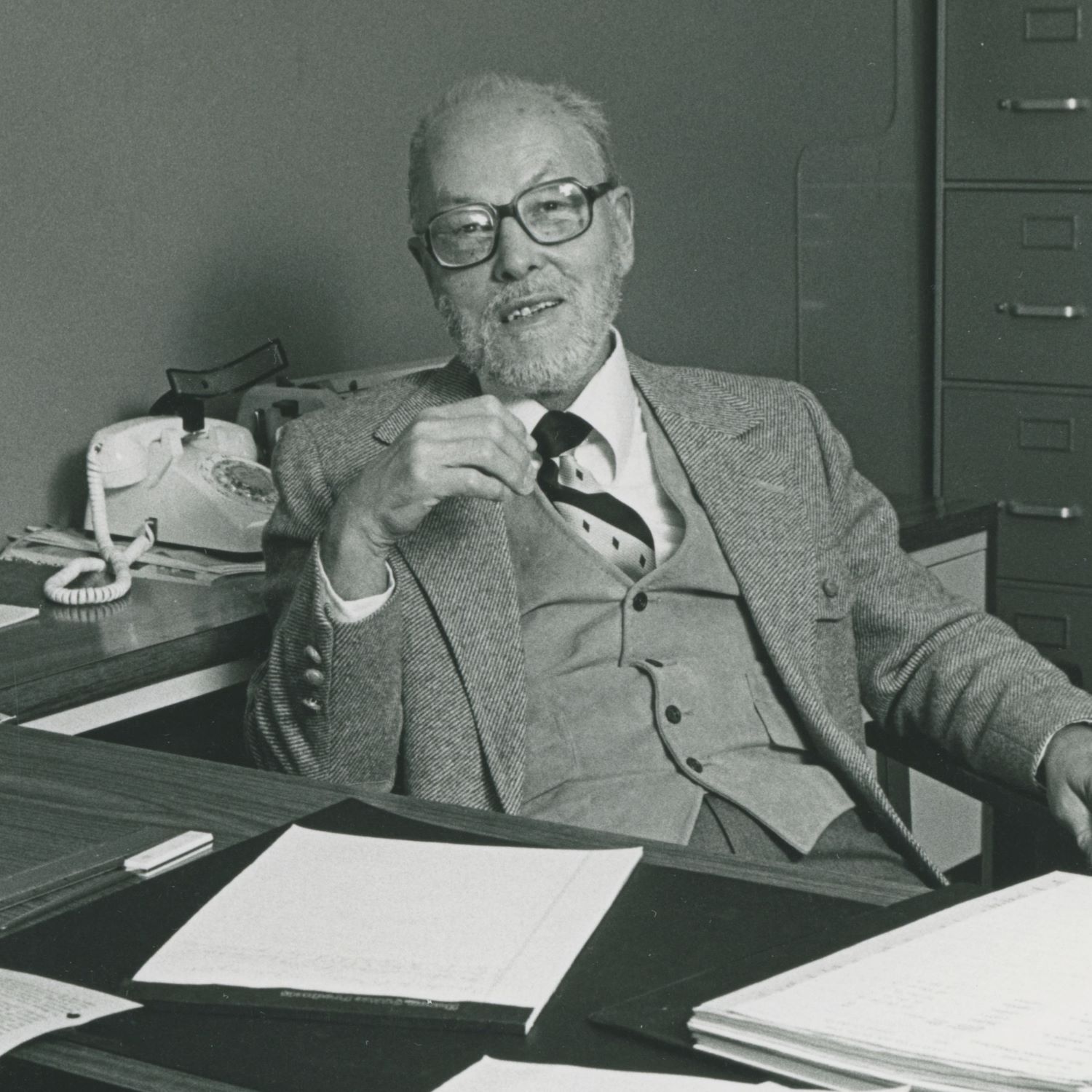
Nine deans have guided the College of Education since 1968, beginning with Howard Knutson, the associate dean for instruction for SCI before he led the transition to the new college. Dean Colleen Mulholland leads today’s college as it advances teacher education while expanding opportunities across all its academic programs.
Howard Knutson, 1968-1976
Dale F. Nitzschke, 1976-1980
Fred D. Carver, 1981-1987
Thomas Switzer, 1989-2002
Jeffrey W. Cornett, 2003-2007
William P. Callaghan, 2002-2003
(interim), 2007-2010
Dwight C. Watson, 2010-2015
Gaetane Jean-Marie, 2016-2019
Colleen S. Mulholland, 2019-(Current)
Strength in Teaching Then and Now
 For its first 85 years, this institution existed for a single stated purpose: preparing teachers.
As the Iowa State Normal School became Iowa State Teachers College (ISTC), State College of Iowa (SCI) then the University of Northern Iowa (UNI), leaders gradually recognized that broader academic offerings could strengthen, rather than diminish, teacher preparation.
James Gilchrist, Homer Seerley, Orval Latham, Malcolm Price and J. William Maucker each helped guide that evolution while protecting the university's defining dedication to educators.
In 1948, President Price urged ISTC to become “a truly outstanding professional college for the education of teachers,” and the faculty reaffirmed its single-purpose mission. Yet within a decade, with only four standalone teachers' colleges remaining, perspectives had changed. Research requested by Maucker showed teacher education flourished within broader institutions without losing prestige. In 1959, the faculty approved bachelor's degrees that did not require teacher certification and the Board of Regents authorized the transition to SCI in 1961.
As Maucker later observed, ISTC's strong faculty and curriculum had prepared it for this moment all along: “It seems not to be understood that we are a liberal arts college and have been for 30 years.” Six years later, he led the transition to university status.
Today, UNI’s mission has expanded, but its foundation remains true to its roots. One in four undergraduates pursues a teaching major, continuing a 150-year commitment that the College of Education proudly carries forward.
A Practical Approach to Learning
Getting hands-on experience is a hallmark of University of Northern Iowa. It’s a philosophy that traces back to its earliest days in teacher preparation.
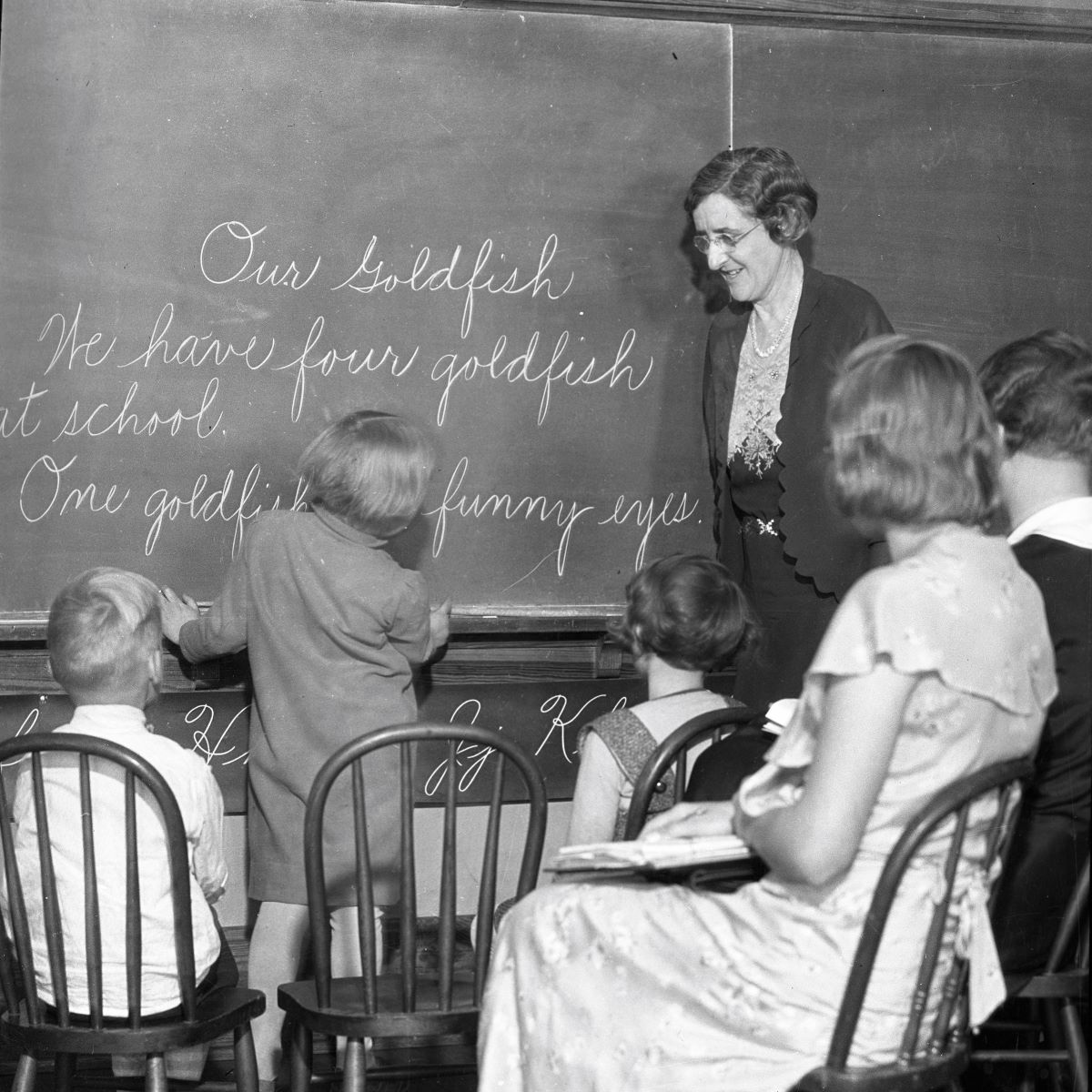
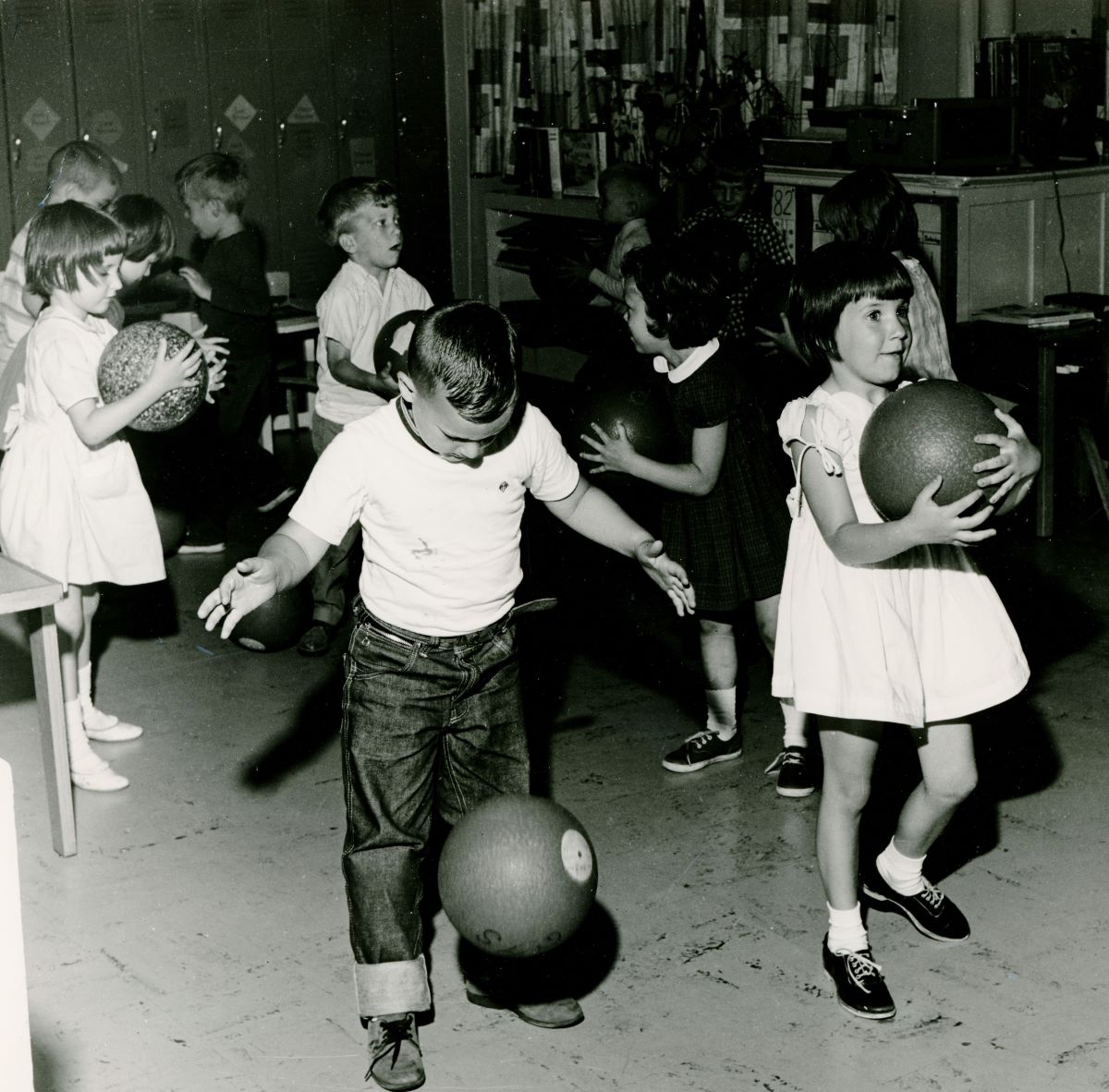
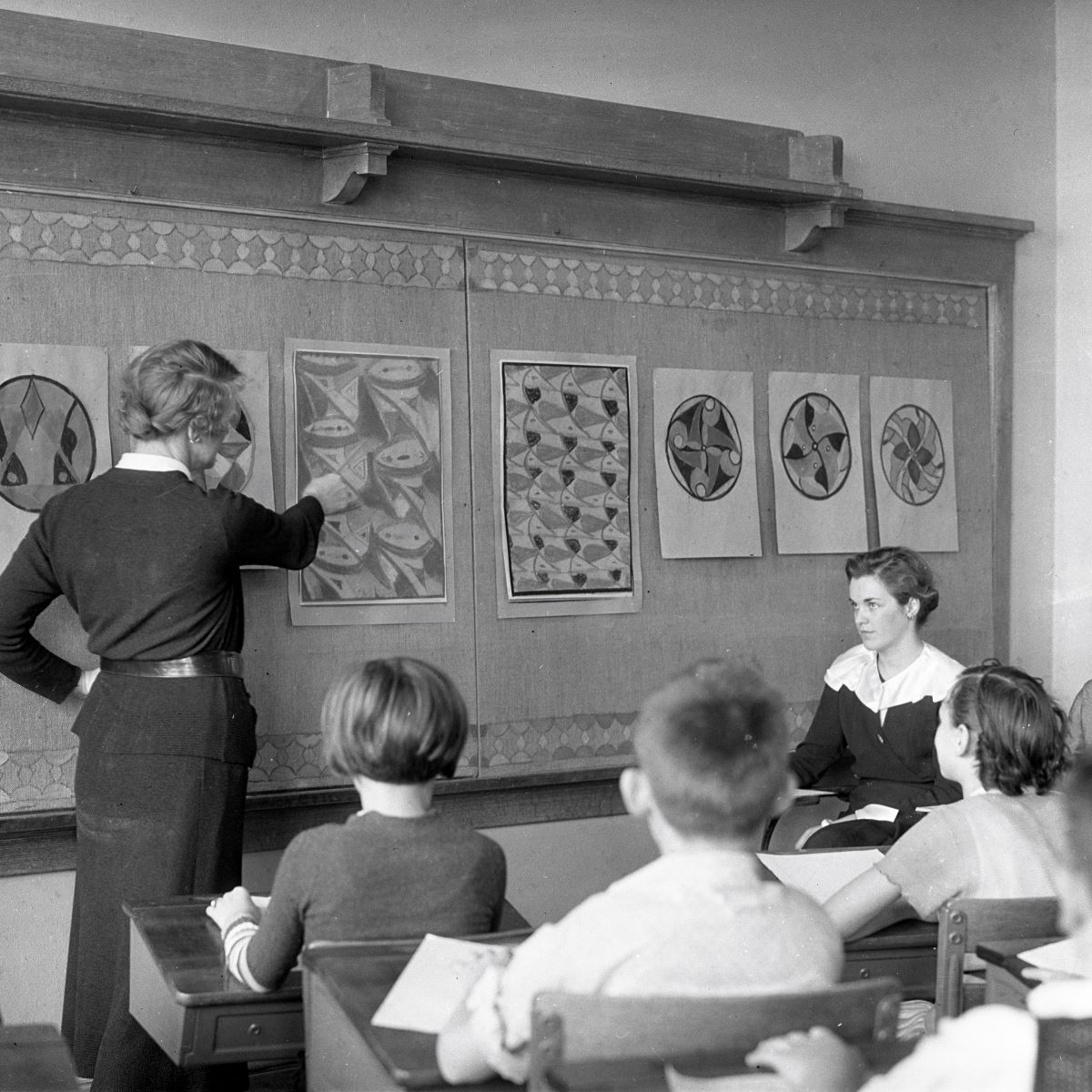
The launch of a formal training school in 1892 was the beginning of a 120-year trajectory that led to the Campus School in 1912 (renamed the Campus Laboratory School in 1944 and now Sabin Hall) and a new home in the Malcolm Price Laboratory School, open from 1953 to 2012.
Over its existence, the training school model evolved into a setting for training, observation, curricular development and research, impacting both educator preparation and growth of teaching as a profession while educating local elementary and secondary students.
Today’s teaching majors continue to learn through clinical internships and student teaching locally and across Iowa and beyond. Counterparts in recreation, tourism and nonprofit leadership and graduate programs benefit from focused experiences built within their preparation as well.



A Hub for Education and Educators
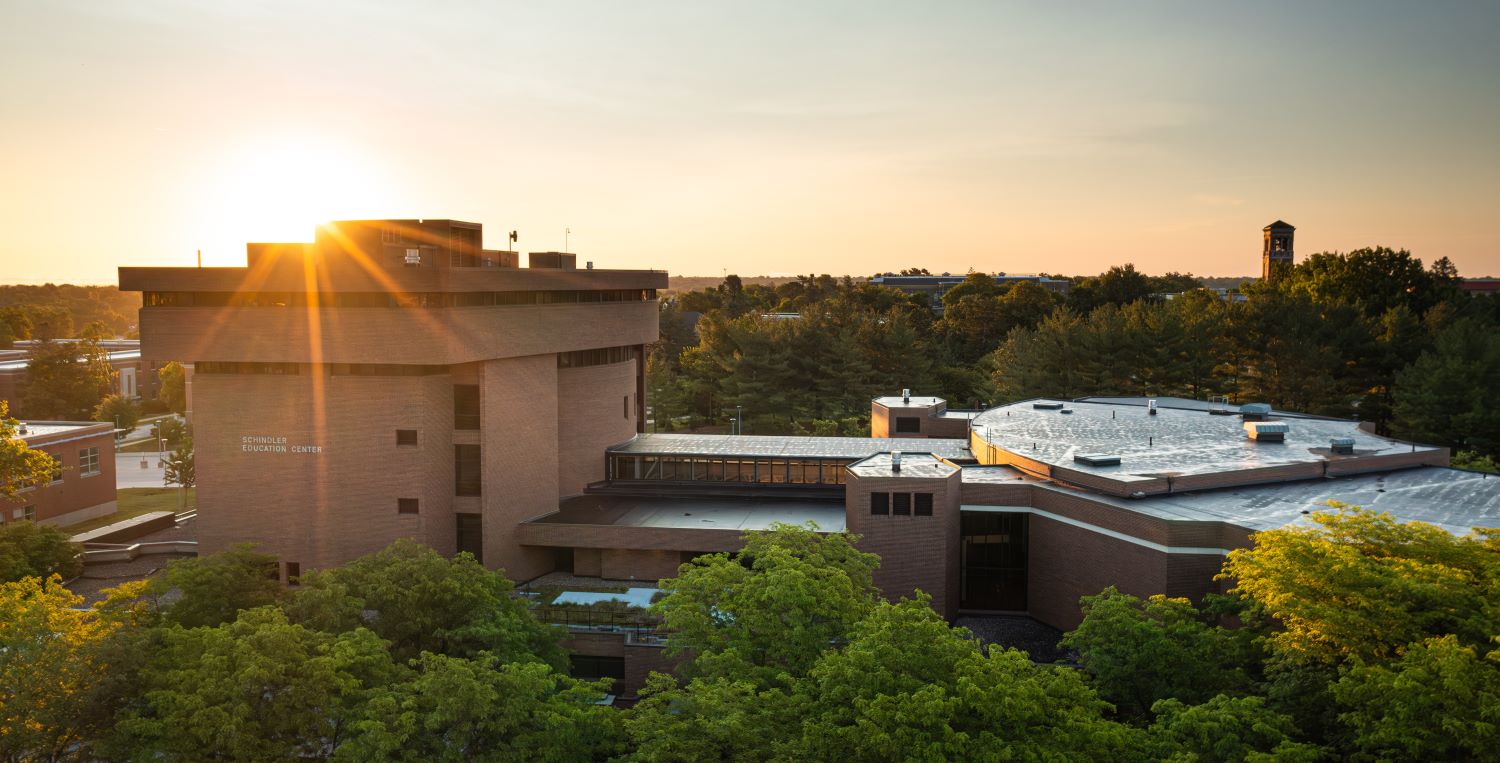
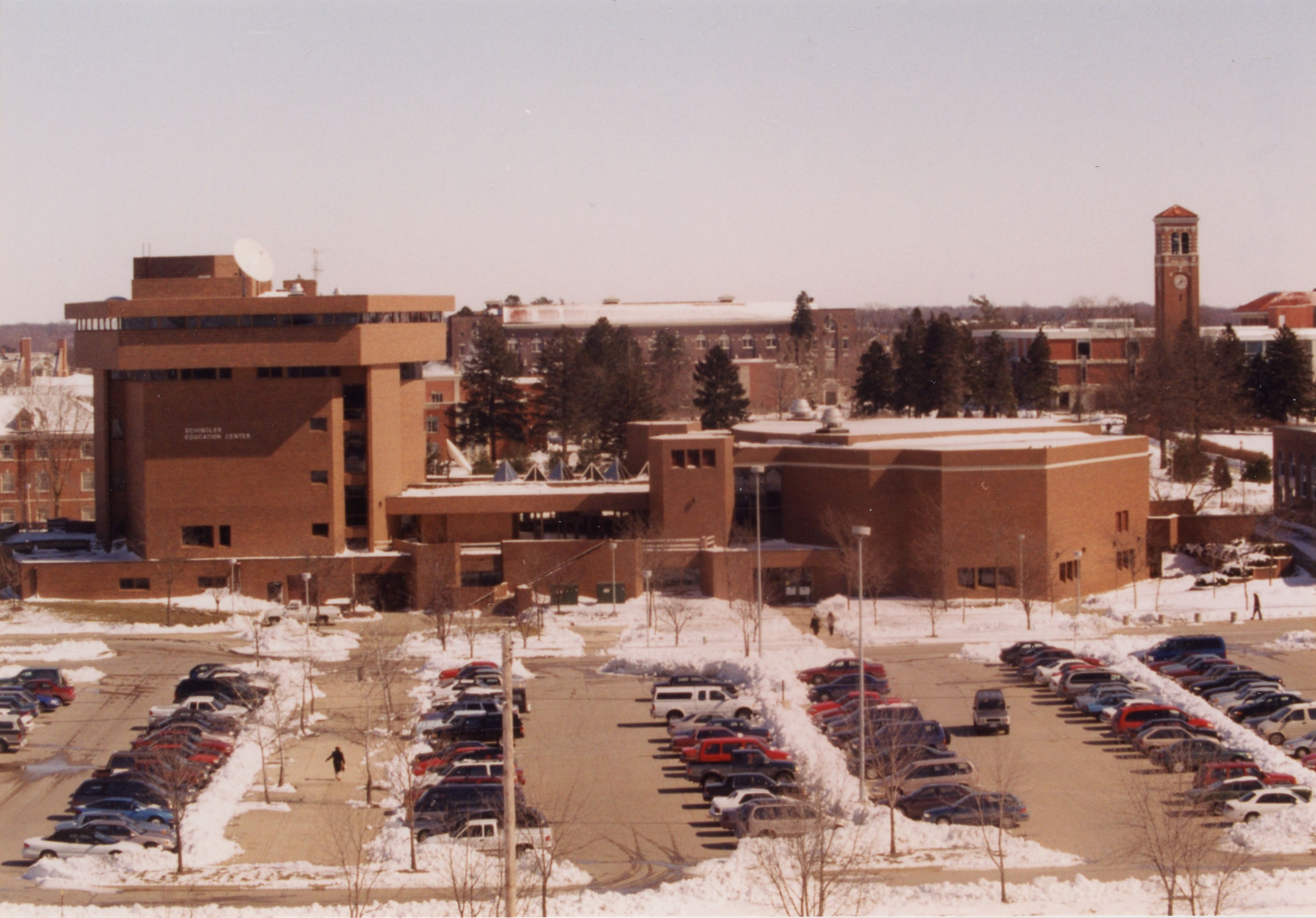 Fifty years ago, the College of Education celebrated the dedication of the Schindler Education Center.
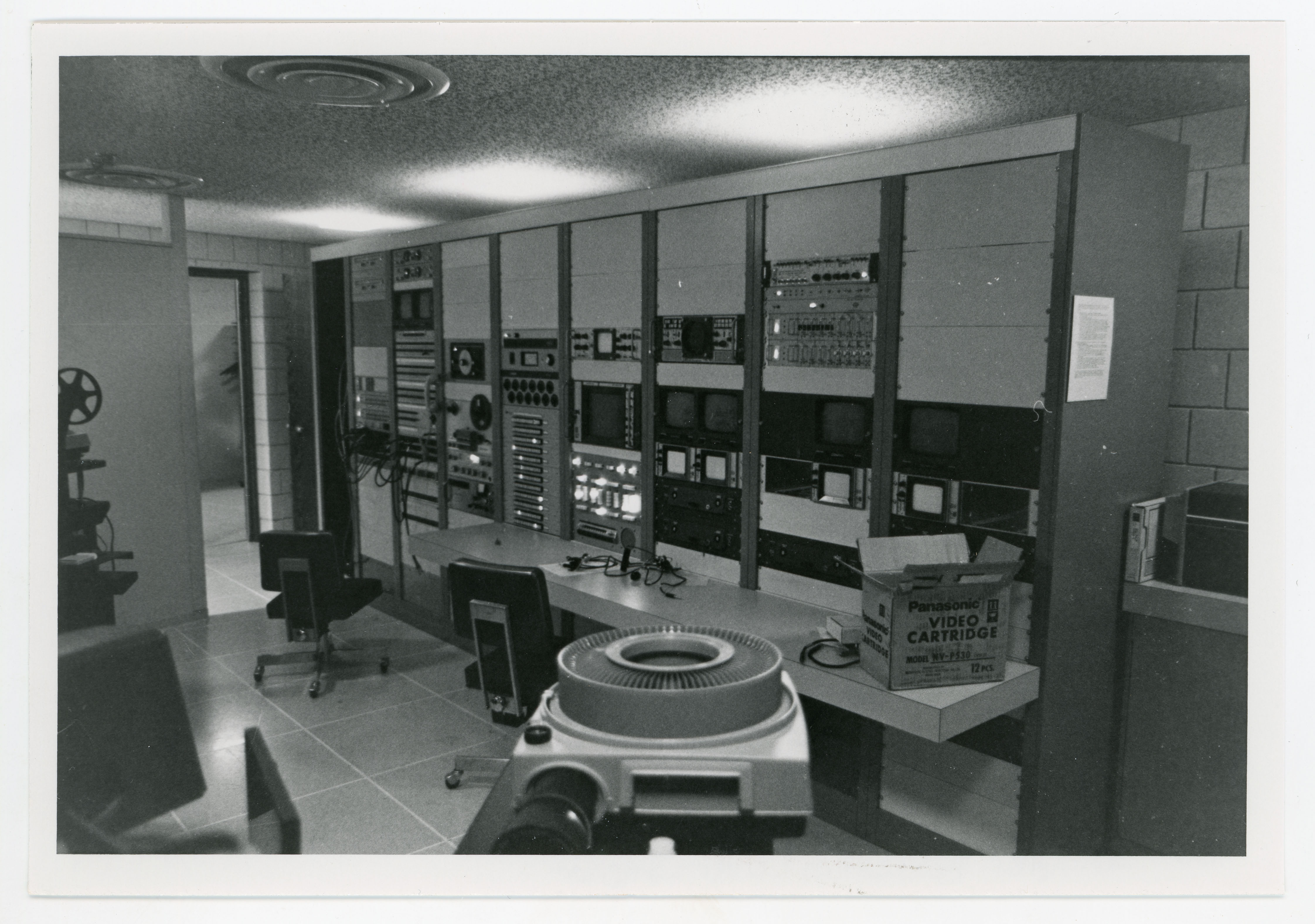 Completed in phases from 1970-1973, the six-story building represented a bold investment. Known simply as the Education Center for 20 years, it featured state-of-the-art spaces including television-equipped classrooms connecting to a communications center in the lower level and options like movable walls. In 1990, it was renamed Schindler Education Center after alumna Dora Hood Schindler donated $1 million to UNI in honor of her late husband and educator Alvin (‘27).
The center entered a new era in 2017 with a major renovation that transformed now outdated classrooms and lecture halls into flexible, collaborative and technology-smart learning spaces. A gift from the Gerdin Family Foundation created a natural light-filled central commons area with “learning stairs" bridging first and second floors. The renovation earned LEED certification for its energy efficient-design.
As the facility anchor for the college — which also includes space within the Wellness and Recreation Center and Nielsen Field House – it remains a focal point for educators and education at UNI.

The Education Center is the most visible testimonial to
Clifford Bishop as a builder. He had visions of a structure
that would be an impressive and powerful statement about
the importance of professional education at this institution.
He was able to convince the faculty that dreams, when
accompanied by resourcefulness and resolve, could produce
far-reaching results. Today the Education Center reminds us
of our historical commitment to professional education and
helps us fulfill that commitment.
Bedrocks of Learning and Teacher Prep
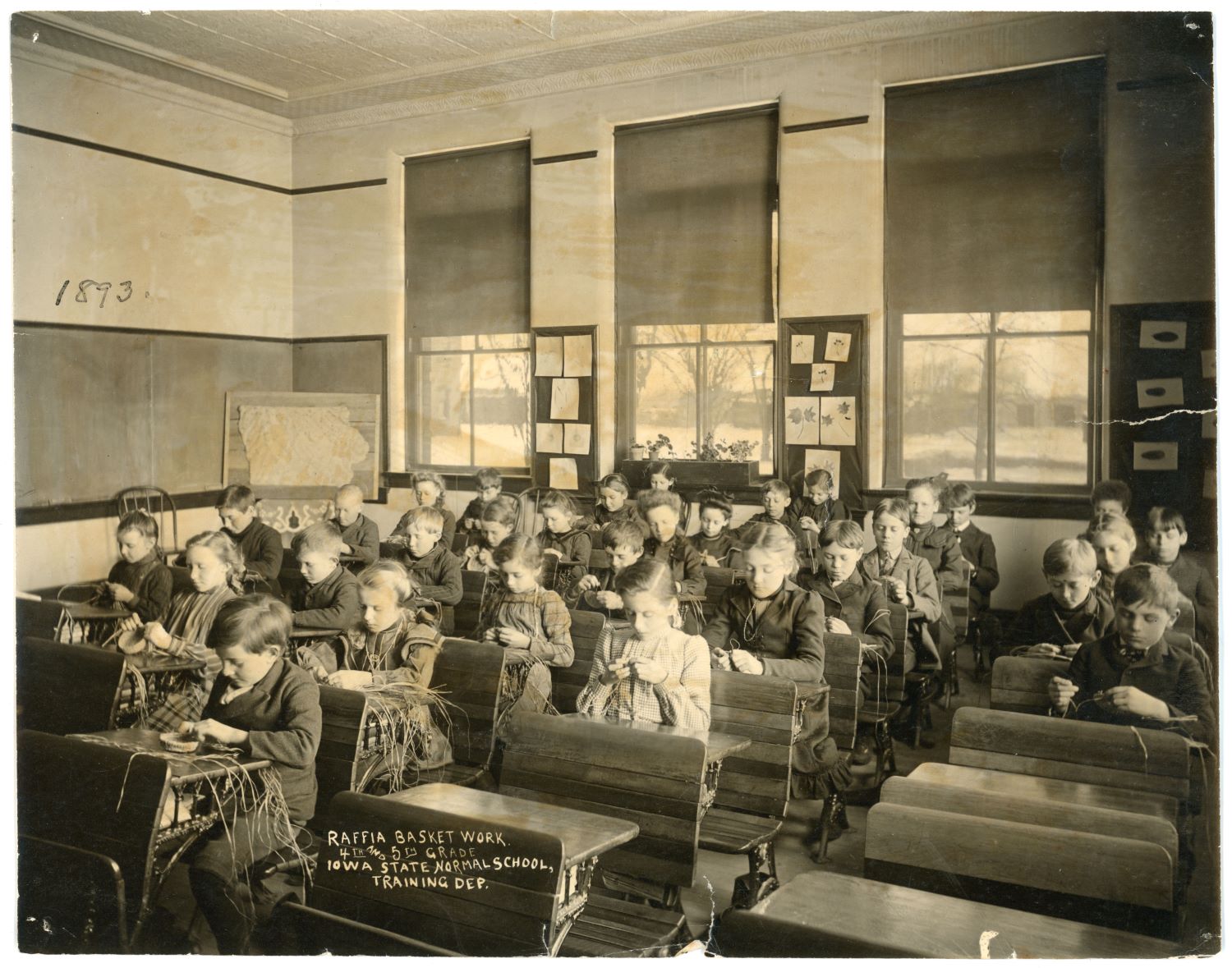
Today’s College of Education is forever intertwined with the organizational roots of an institution dedicated solely to teacher education for its first 85 years.
Learning how and what to teach with the actual practice of teaching were embedded in Didactics and Practice, the first coursework for the Iowa State Normal School cited in 1876.
Moving forward as the Iowa State Teachers College in 1909, some version of Professional Instruction in Education and Training in Teaching served as educational anchors for the next 117 years.
- From 1913 to 1970, the former was either Education or Education and Psychology. Curriculum related to preparing future teachers, school administrators and, eventually, school psychologists and postsecondary education professionals. Through 2025, iterations of this original structure remained as the departments of Curriculum and Instruction and Educational Psychology, Foundations and Leadership Studies.
- The latter, renamed Teaching in 1914, carried the mantle through 2025 for field observation and clinical experiences. This included the operations, staffing and curricula associated with the training schools.
Through the years, the college added Special Education, moved library science into Curriculum and Instruction and witnessed the evolution of its health and human services programs.
While names have changed, the commitment to excellence in undergraduate and graduate education across a spectrum of disciplines remains.
Another side to COE
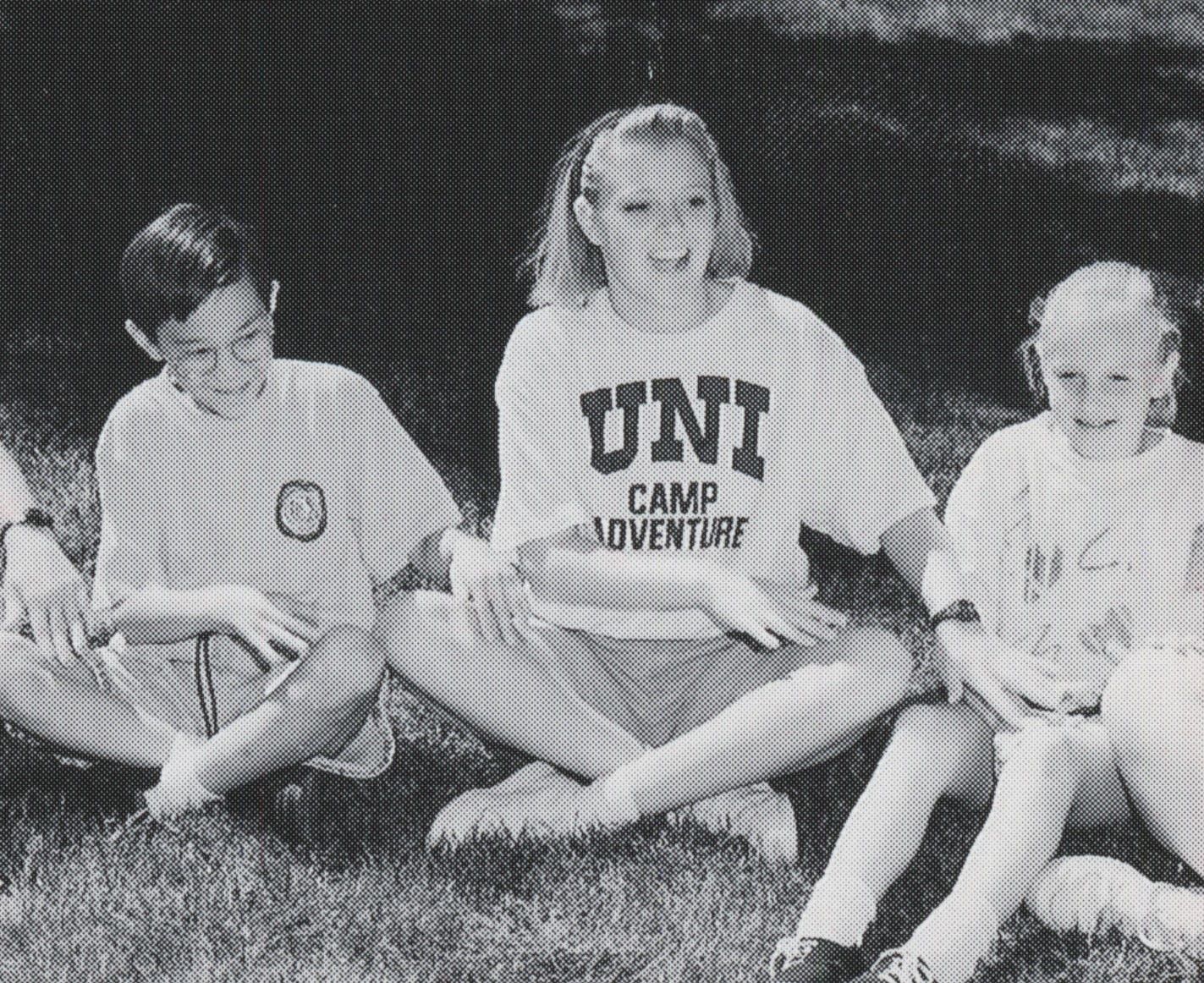 Physical Education for Men and Physical Education for Women brought their own history to the College of Education when added in 1968.
What began as “physical culture” led to a physical education department in 1909, followed by separate departments established in 1929 that remained for the next 50 years.
A broadened scope including athletic training, kinesiology, public health, recreation, leisure studies and nonprofit leadership led to a new School of Health, Physical Education and Recreation (HPER) in 1979. It was renamed the School of Health, Physical Education and Leisure Services (HPELS) in 1990 and, in 2016, the School of Kinesiology and Health and Human Services (KAHHS).
In 2018, the school separated into two departments. All but recreation, tourism and nonprofit leadership programming transferred to a new School for Health and Human Sciences in the College of Social and Behavioral Sciences in 2023.
The Elinor A. Crawford and William R. Thrall Hall of Excellence, named for its benefactors who led physical education for women and men, continues to honor alumni, students and faculty in the fields originally associated with HPELS.